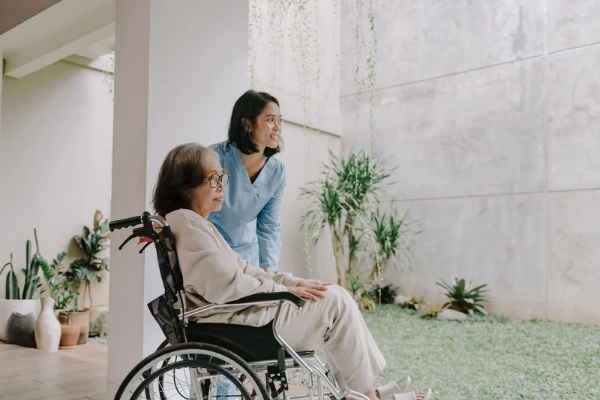
At BC CARE LTD, we're more than just a healthcare provider – we're your dedicated partners in well-being. With a commitment to excellence and compassion, we offer expert temporary staffing solutions for care homes and personalized domiciliary care services. Our experienced team strives to enhance the quality of life for our clients by delivering tailored, top-notch healthcare solutions. Trust BC CARE LTD to be your trusted companion on your healthcare journey.

Visiting Hours

End of Life Care Services

Dedicated to Better Health, Brighter Futures

End of Life Care Services That Put Comfort, Choice and Dignity First

BC CARE LTD is a CQC-registered, Leeds-based provider of personalised domiciliary care for adults and older people. We can talk with you about compassionate support at home for someone nearing the end of their life, planned around their wishes and with their family kept informed.
End of Life Care Services
A calm, familiar presence can make an important difference.
A GENTLE PLACE TO BEGIN

Understanding End of Life Care Services

There is no easy way to begin this conversation. Perhaps a consultant has said treatment is no longer working, or a parent has quietly started sleeping more each week. Whatever brought you here, you are not alone, and asking questions is not giving up.
End of life care services exist to make the time that remains as comfortable, settled and meaningful as possible. They focus less on what can be fixed and more on what matters: being free from distress, being at home if that is the wish, and being treated as a whole person to the very end.
Palliative care can begin at any point after a serious diagnosis and may sit alongside treatment. End of life support usually describes the final months, weeks or days. At home, practical help from a carer works alongside the clinical care provided by GPs, district nurses and hospice teams.

What matters most

Comfort. Familiar routines. Personal wishes. Clear communication. Support for the people who matter.
This page explains how home-based support can work, what to ask any provider and how to take a first step.
PRACTICAL HELP, DELIVERED GENTLY

End of Life Care at Home: What Support Can Include

Many people say they would like to be at home at the end. Familiar sounds, a favourite chair and a window onto a known street can bring a calm that is hard to recreate elsewhere. Home-based support may help make that wish possible for some families, with planning and the right people around the person.
After a conversation about the person’s situation, we can discuss practical help such as:

01

Personal care

Washing and dressing with privacy protected and each step explained.

02

Meals and drinks

Help preparing food and drinks, guided by what the person wants and can manage.

03

Mobility around the home

Practical assistance to move around familiar spaces as safely as possible.

04

Company and quiet presence

Conversation, companionship or simply sitting nearby without rushing.

05

Family communication

Keeping agreed family contacts informed about how the day has gone.
Availability is confirmed individually. Clinical care stays with the person’s doctor and nursing team. This is end of life care assistance in its most practical form: ordinary tasks done with patience, so the person can save their energy for the people and moments that matter.

Support That Can Adapt to the Situation

Home Based Palliative Care

Home based palliative care is a team effort. The GP, district nurses, a community palliative team or a hospice may lead on medicines and symptoms. A domiciliary care provider adds regular daily support, and good practice is to tell the family and professionals promptly when something changes.

Private End of Life Care

Private end of life care means arranging and paying for support directly. It can give families more control over timing and routine, and can sit alongside NHS or council help. Ask for a written breakdown of costs and what happens if needs rise quickly.

Care for Elderly Relatives

End of life care for elderly relatives often follows years of frailty, repeated hospital stays or long-term conditions. A good plan looks at the whole person, not only the final diagnosis.
THE SMALL THINGS MATTER

Comfort and Dignity in the Final Stages of Life

The best end of life care services are judged by small things: a drink within reach, a blanket tucked just so, a carer who knocks before entering. Comfort during the final stages of life is built from details like these.

Physical comfort and care

A room that is neither too warm nor too bright, fresh bedding, clean clothes and gentle handling can all help. Over time, a familiar carer learns what the person likes, and often what they need before they can say it.

Pain and symptom observations

Pain relief and symptom management are led by clinicians, who prescribe and review medicines. A carer’s part is to notice and report changes such as a wince when moving, restlessness, breathlessness or a loss of appetite.
A familiar, peaceful space can help preserve comfort and a sense of home.
CARE FOR THE WHOLE FAMILY

Emotional Support for the Person and the People Around Them

Compassionate end of life care is not only physical. Fear, sadness, unfinished business and loneliness can weigh as heavily as pain. Good support protects quality of life as well as comfort.

Emotional wellbeing

Time to talk about memories, sit quietly, listen to a favourite programme or share worries. A steady, unhurried presence can help honour faith, culture and personal wishes.

Support for family carers

Family members may be exhausted before the final weeks begin. Agreed updates, a chance to rest and reassurance about practical support can bring some peace of mind. Ask about respite availability.

Bereavement support

Grief does not begin or end with a death. Hospices, GP practices, local charities and community groups may offer bereavement support and guidance.
A PLAN SHAPED AROUND THE PERSON

Personalised Care Plans Built Around Individual Care Needs

No two people approach the end of life in the same way. Personalised care plans record routines, beliefs, food and drink preferences, who should be called and what the person wants to avoid. Plans should be reviewed as needs change, which can happen quickly. Families can share useful insight with the agreement of the person receiving care.

Holistic care and support

Looking beyond the body to relationships, spirituality, comfort and wishes.

Compassionate care professionals

Calm, patient and honest carers who know when to ask for clinical advice.
Ask any provider how carers are recruited, trained and supervised.
LOCAL SUPPORT FROM OUR LEEDS BASE

End of Life Care Leeds: Local Support from a Leeds-Based Team

Our team is based at Oaktree House, Oakwood Lane, Leeds, and supports individuals and families across the local community. Families can ask about visits, availability and how support could fit alongside the doctors and nurses already involved.
When comparing an end of life care agency, check the CQC register, ask for a written care plan and ask how quickly the provider can respond if circumstances change.

Bradford, Manchester, Wakefield and Bolton

Enquiries from Bradford and Manchester are welcome, as are those from Wakefield and Bolton. Availability depends on your postcode and current capacity.

BC CARE LTD

Oaktree House
Oakwood Lane
Leeds
Contact us to confirm whether visits are available in your postcode.
INFORMATION FOR FAMILIES

End of Life Care Services Across the UK: What Families Should Know

Every year, families across the UK ask the same question: how do we make the last part of a life as peaceful as possible? Systems differ by nation. England’s regulator is the Care Quality Commission, while Scotland, Wales and Northern Ireland each have their own regulators and health services. Wherever you live, ask about registration, costs, responsibilities and who to call at night.

Three habits that can help

Talk early, write wishes down and keep key contact numbers together. Many people find that advance care planning with a GP or palliative team lifts a weight from the family later.

England: rights, assessments and funding

In England, check the provider’s CQC registration and inspection reports. A council can carry out a care needs assessment, and carers may ask for an assessment of their own. Someone with a primary health need may be eligible for NHS Continuing Healthcare through a fast-track process. Confirm current eligibility with the GP, council or GOV.UK.
This page is about support for adults and older people. It does not cover children’s care services. Specialist children’s palliative teams and hospices can advise families seeking that support.
QUESTIONS WORTH ASKING

Choosing Between End of Life Care Services: Questions to Ask

Not all end of life care providers work in the same way. Use these questions to understand what a provider can offer, where their responsibilities end and how they will communicate with the clinical team.
✓ Are you registered with the CQC, and can I see your latest report?
✓ Will you provide a written care plan and a clear cost breakdown?
✓ How are carers recruited, trained and supervised?
✓ How do you work alongside the GP, nurses or hospice team?
✓ What happens if needs change quickly, including out of hours?
✓ How will the family be kept informed?
Ask what “specialist end of life care” means in practice, and what the provider will not do, such as clinical tasks that belong to nurses.

Starting End of Life Care Services: Three Gentle Steps

01

Talk to us

Share what is happening and what matters most. We will listen and discuss next steps.

02

Plan your care

We discuss needs, routines and wishes and explain what support may be suitable.

03

Review together

Once support begins, communication and review keep the plan relevant as needs change.
HELPFUL ANSWERS

End of Life Care Services FAQs

If you are unsure what to ask, these answers are a starting point. You can also speak with our team about your circumstances.

End of life care services are support for people in the final stage of life, aimed at comfort, dignity and choice. At home, that may include personal care, companionship and practical help alongside doctors and nurses.

Often it can, depending on needs and the clinical team’s advice. Contact our team to discuss palliative support, and we will talk through wishes, routines and safety before agreeing a plan.

Costs depend on the support required, visit length and frequency. Contact us for a clear breakdown. Prices vary, so always ask for them in writing.

We are based in Leeds and welcome enquiries from Bradford, Leeds, Manchester, Wakefield and Bolton. Availability depends on postcode and capacity.

We would discuss how care may work alongside the other professionals involved. Clinical care remains with the person’s doctor and nursing team.

Earlier than most people expect. Asking sooner gives time to understand options, record wishes and avoid decisions made in a crisis.

Please contact our team to discuss current respite availability.

Skip to content